 Immersive Tokyo press kit
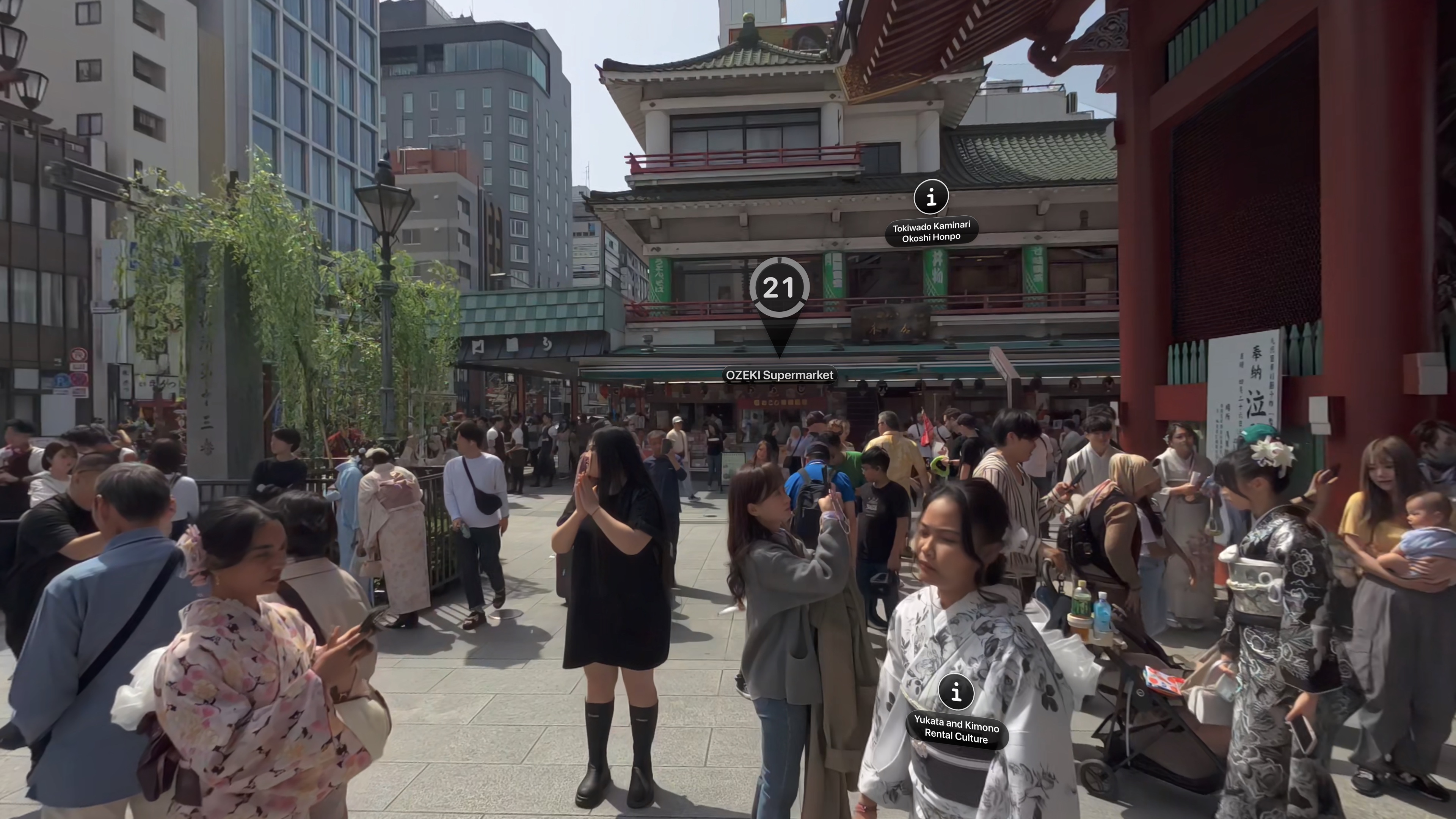
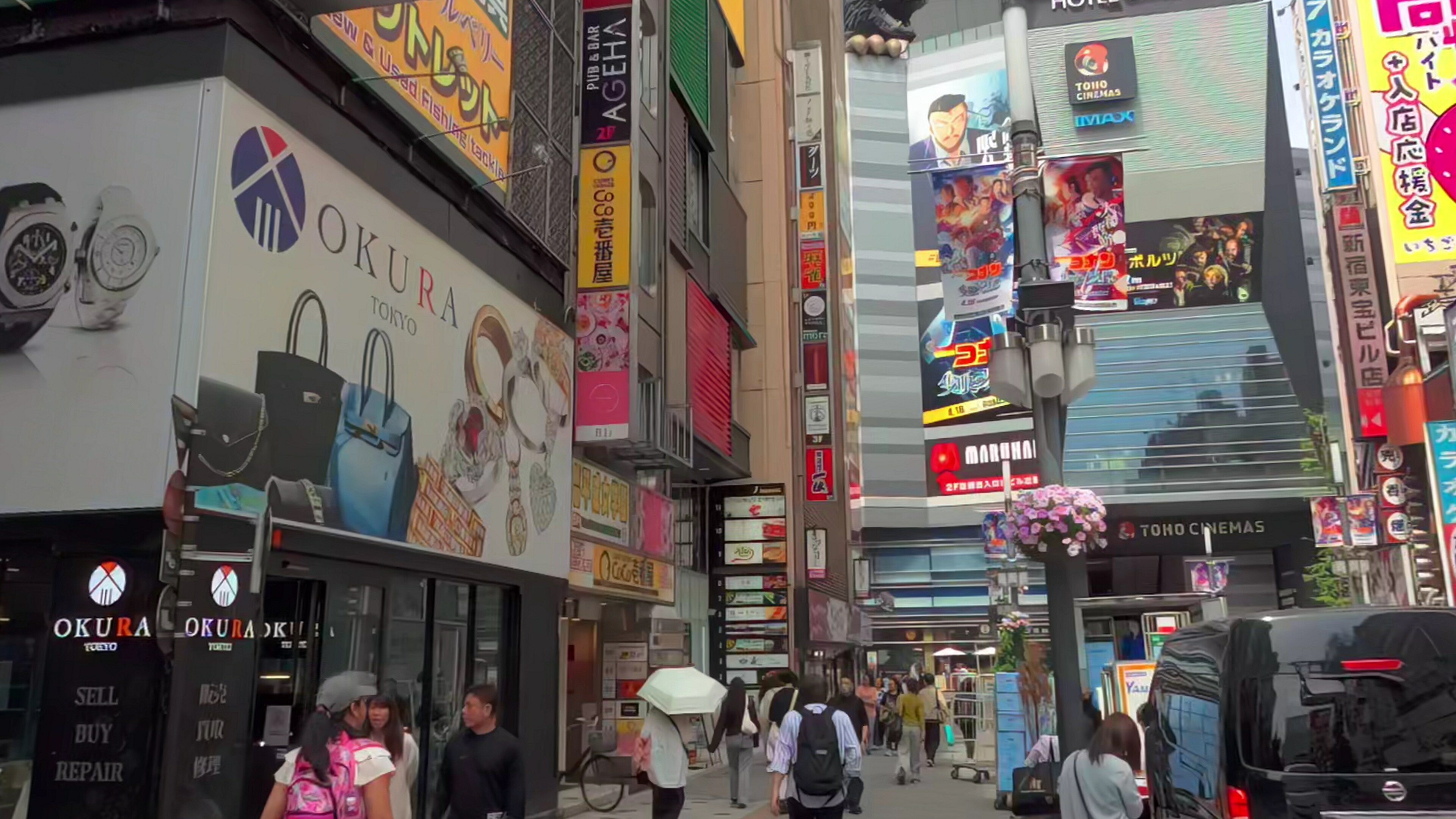
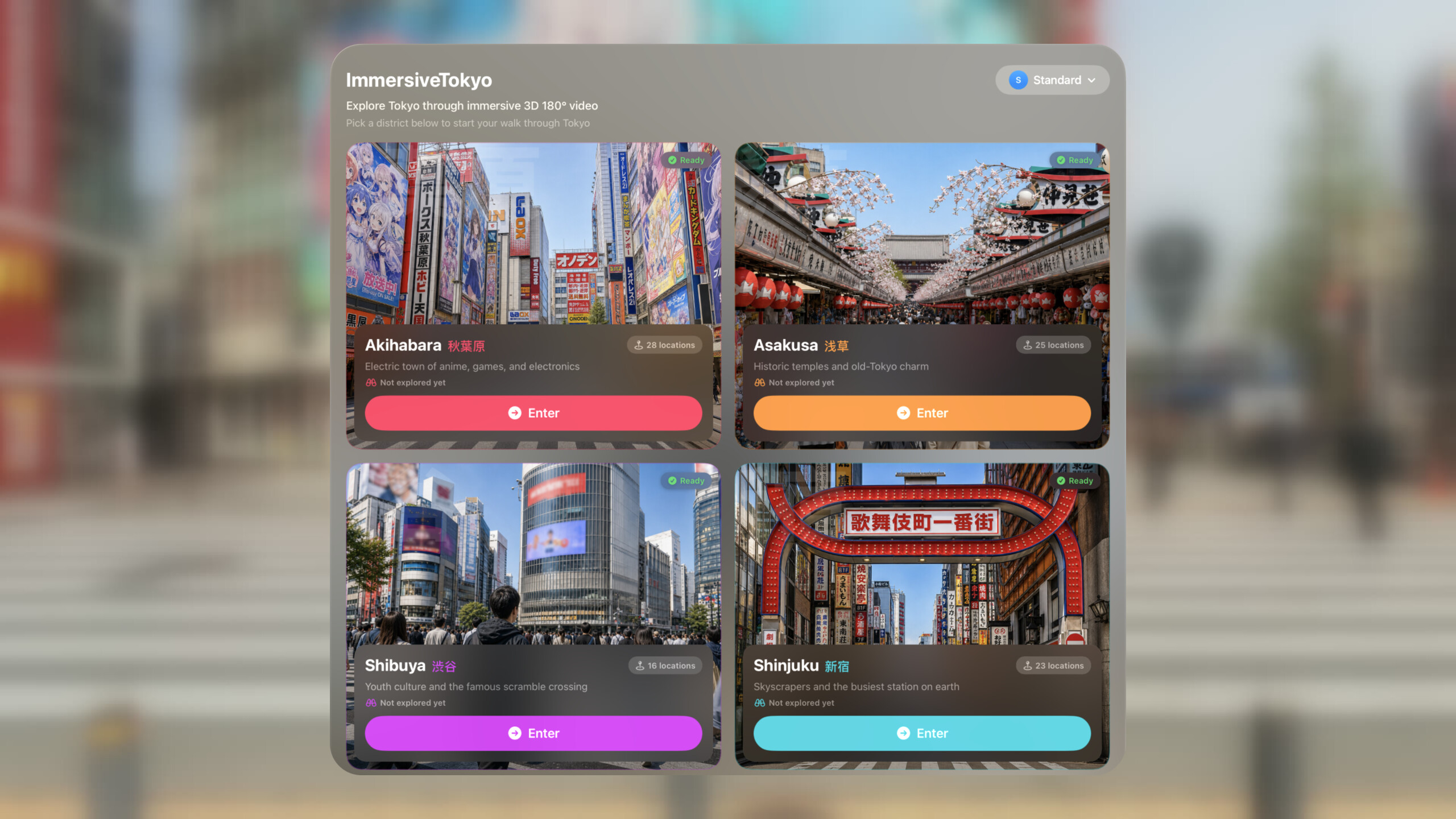
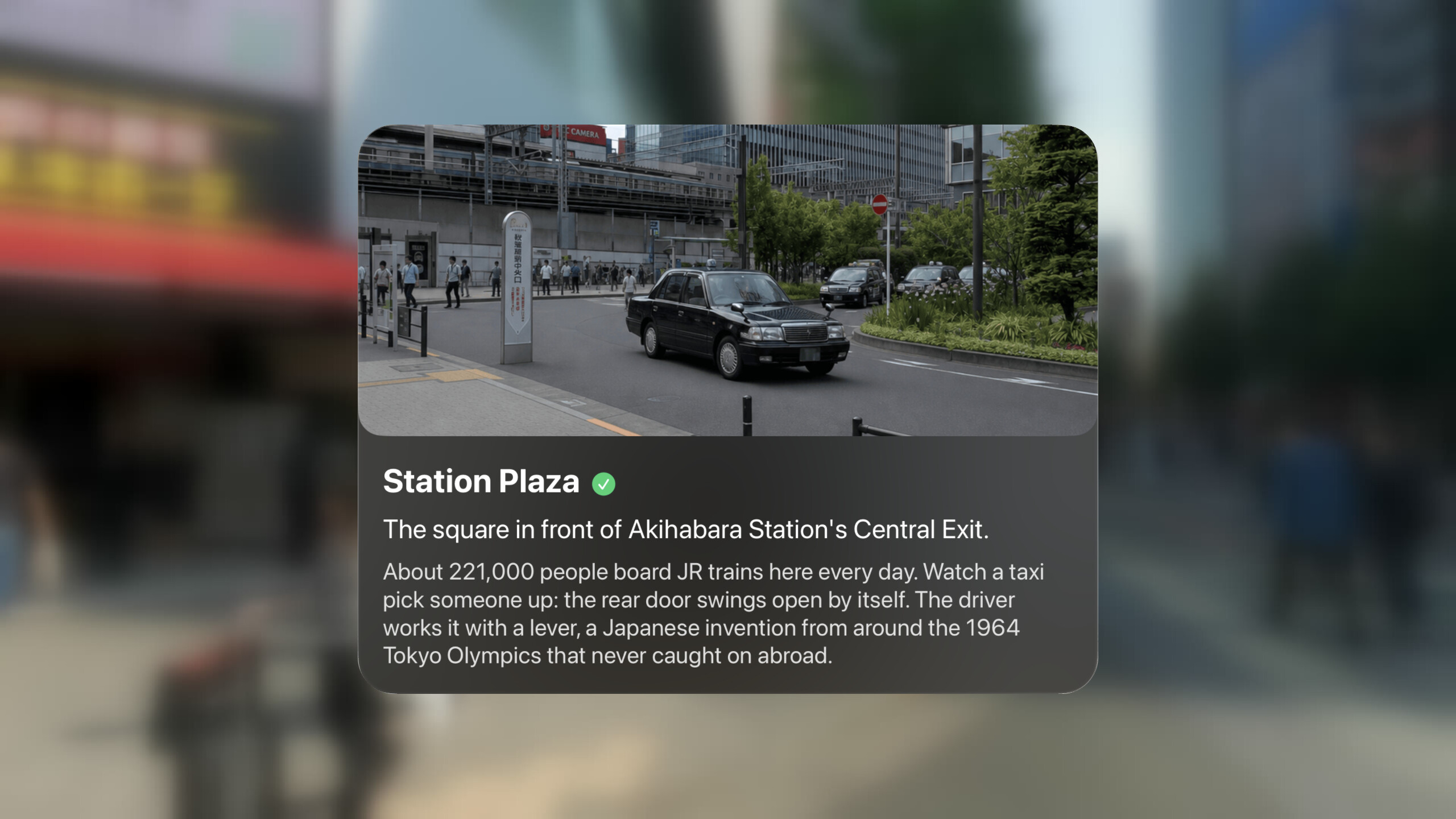



The story behind the app
In Cihat's words:
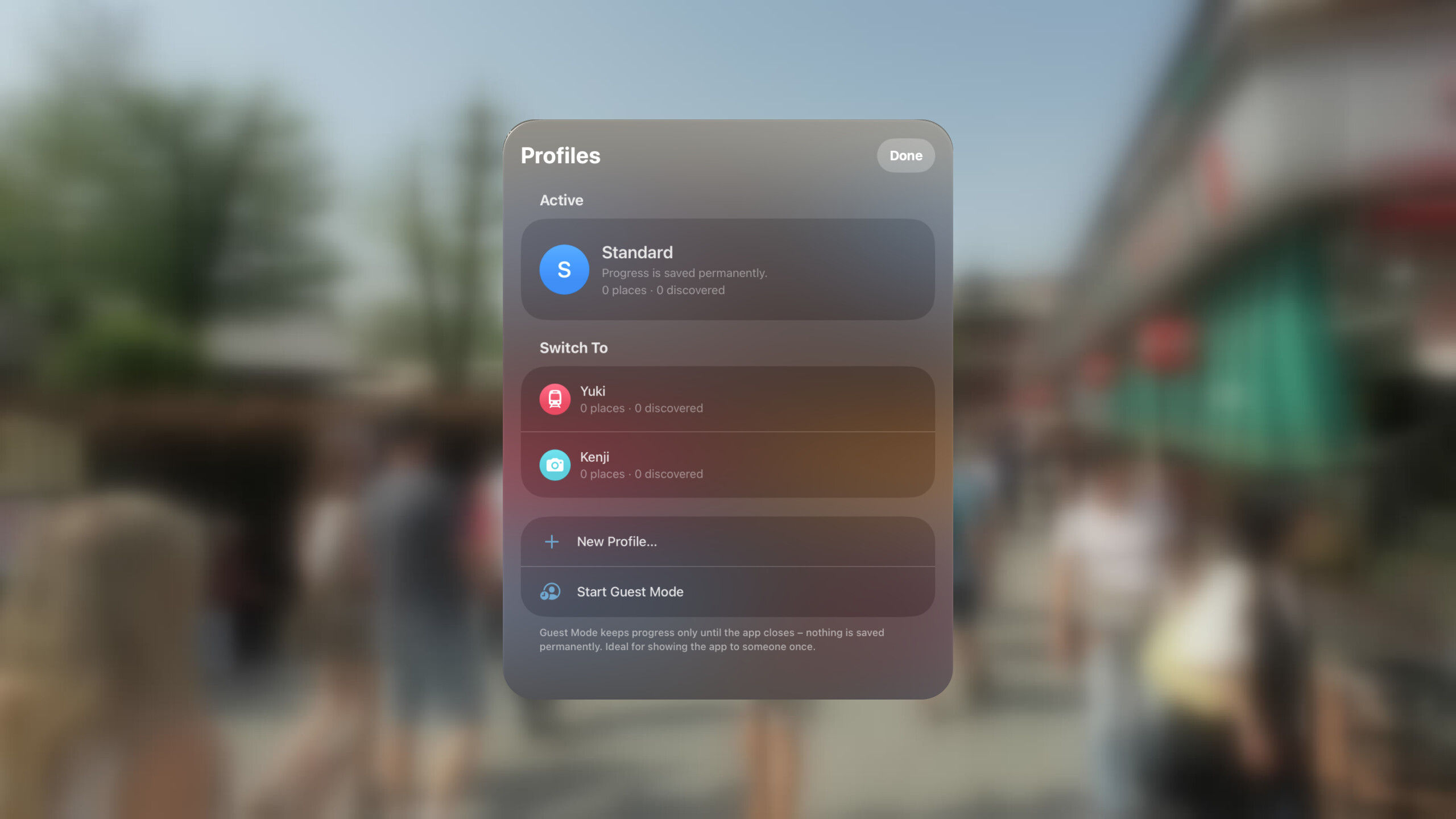
I love Japan. Many people around me want to see Tokyo too, but can't make the trip: it costs too much, takes too long, or they are too ill to travel. I also believed in Apple Vision Pro. In my article „Why I Stopped Building for visionOS (And What Could Bring Me Back)“ I wrote about what a walkable 3D Apple Maps could do. The MKBHD team picked it up, and in early 2025 I was a guest on the Waveform podcast. Immersive Tokyo is as close to that idea as I could get on my own.
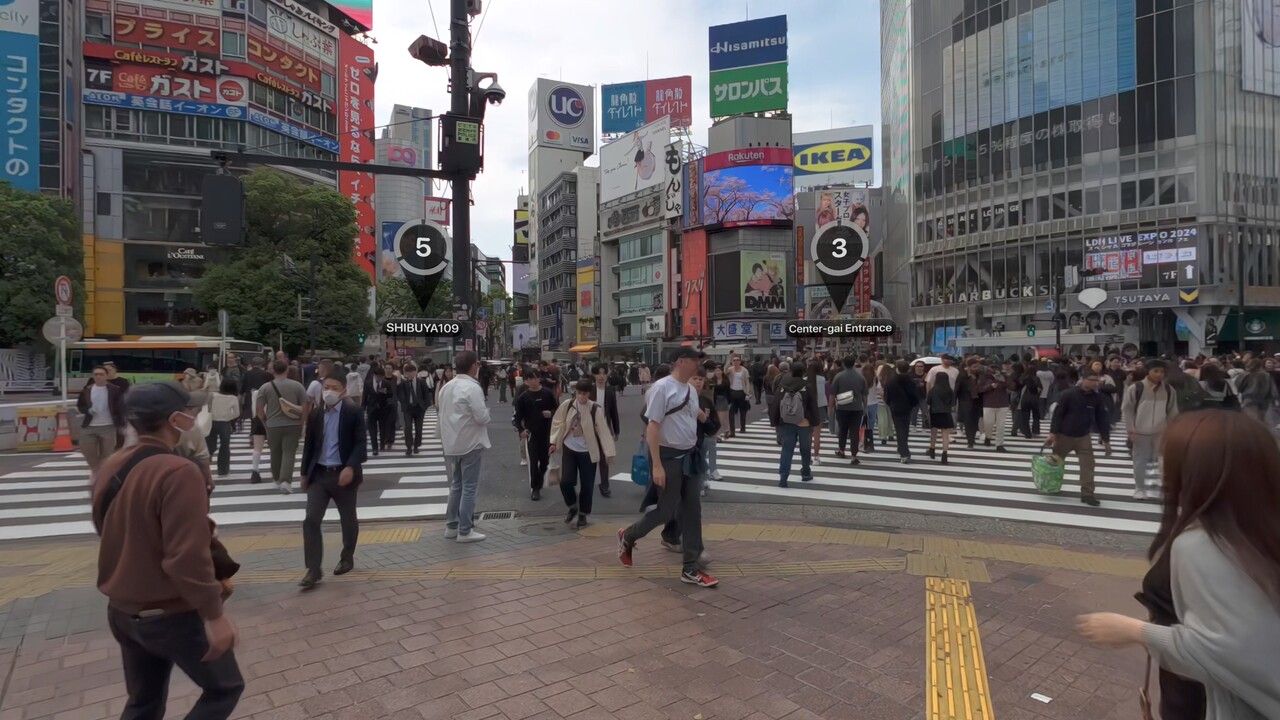
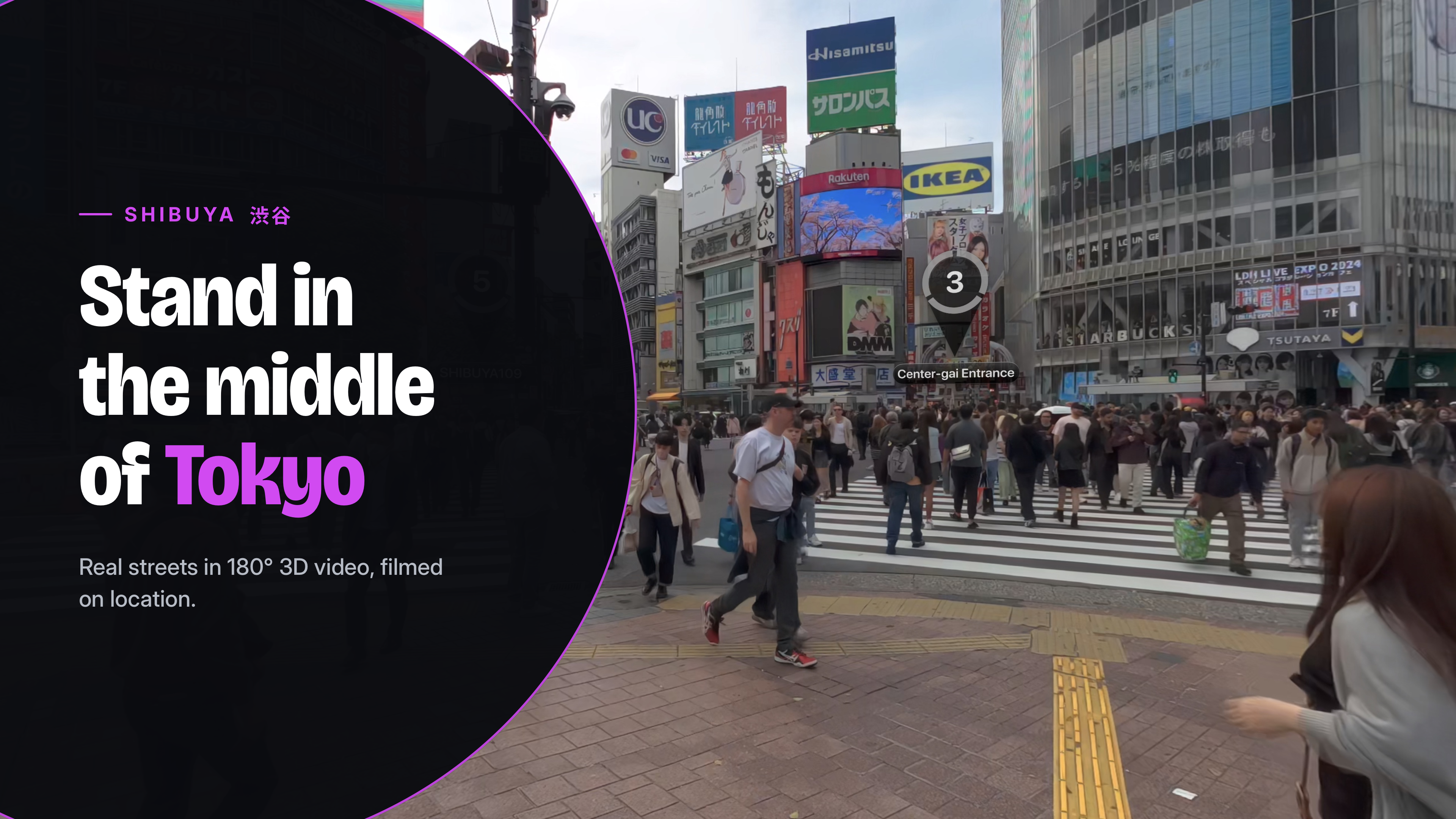
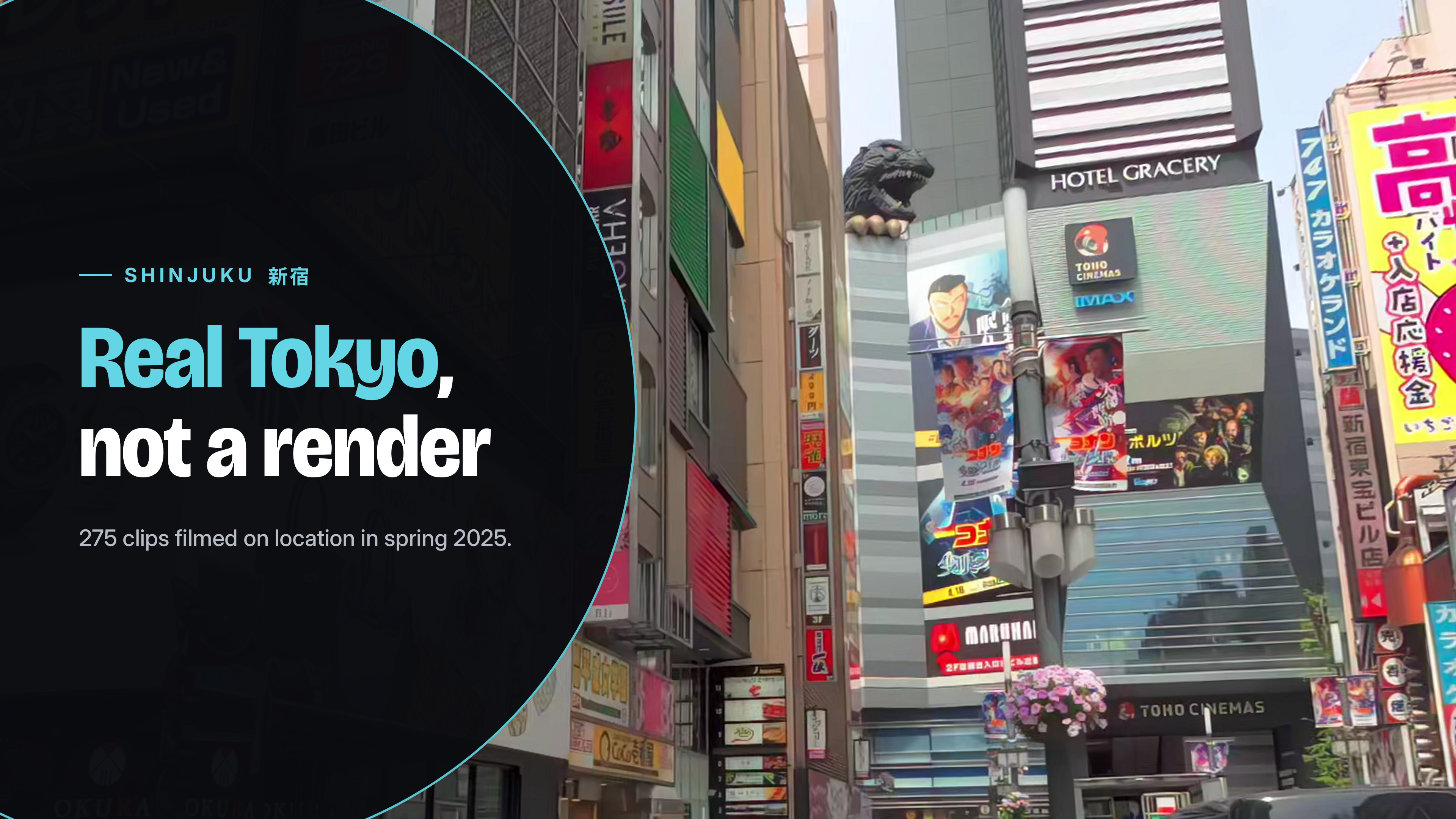
I tried out the technical options at Apple's Vision Pro developer labs. In a call, visionOS engineers showed me how to play the video and put the app's UI on top of it. Then, in spring 2025, I flew to Japan for three weeks and filmed in different places every day: more than 400 recordings, about 20 hours of footage. A Blackmagic URSA Cine Immersive costs over €30,000, out of reach for one person. So I converted a QooCam 3, a small 8K 360° camera, to 3D 180° with a third-party kit. It's small enough to film in a crowd without standing out.
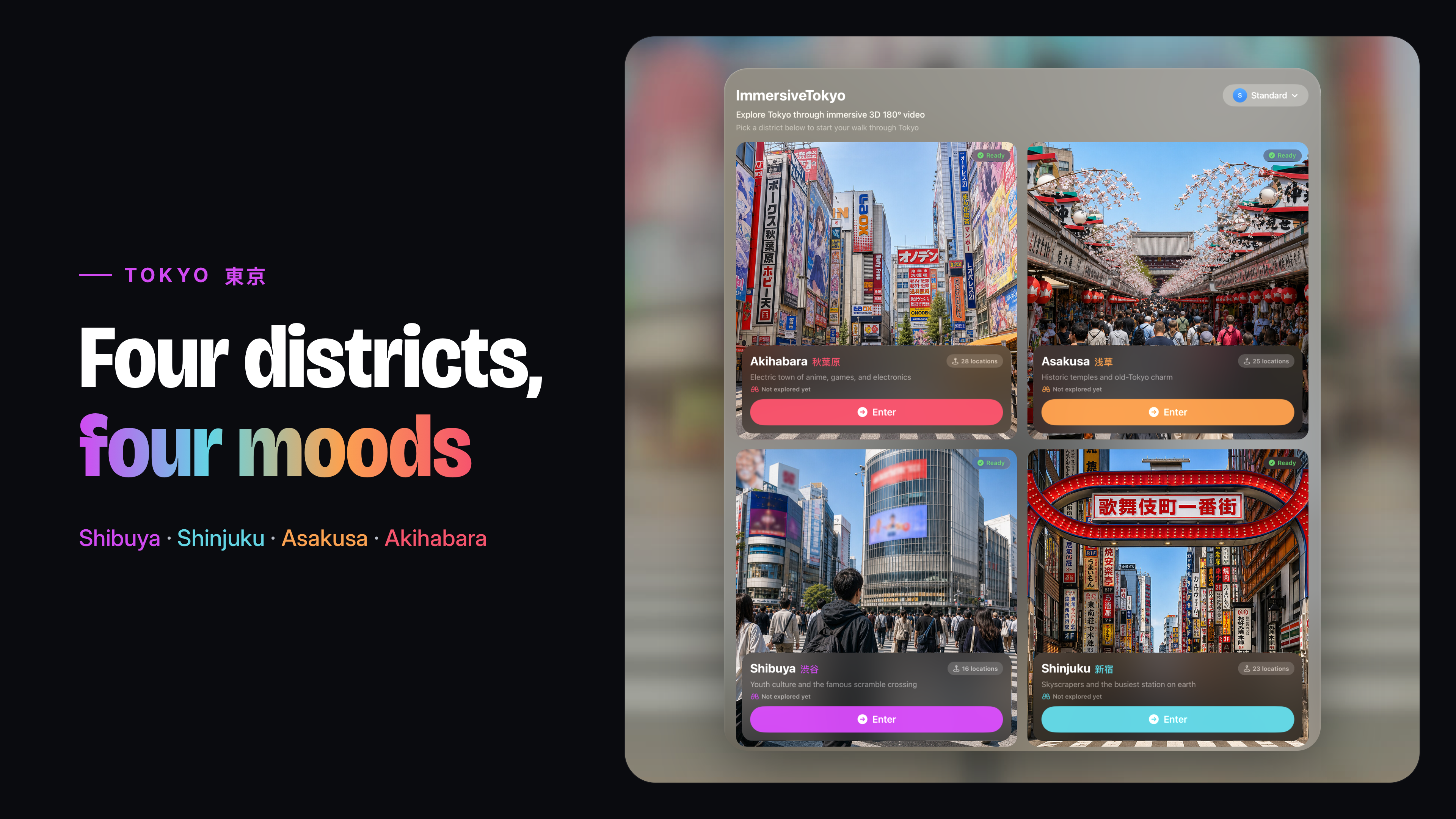
Back home, I upscaled the footage, interpolated it from 30 to 90 fps in Apple Compressor and converted it with my own APMP converter. Getting the bitrate right for stable playback took a long time. Apple hosts all four districts as Background Assets. I could never pay for servers myself, and the districts fill almost all of the 200 GB Apple allows.
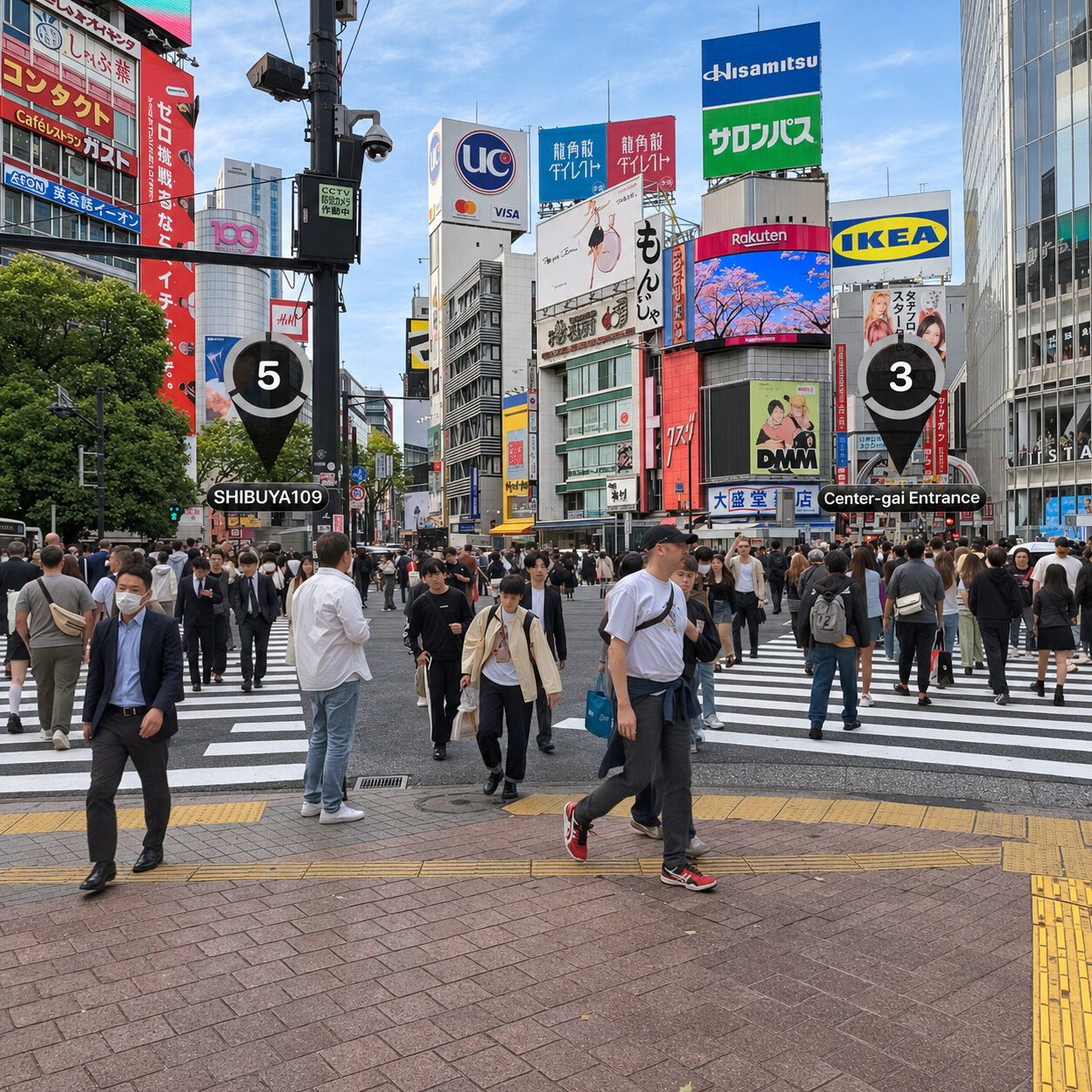
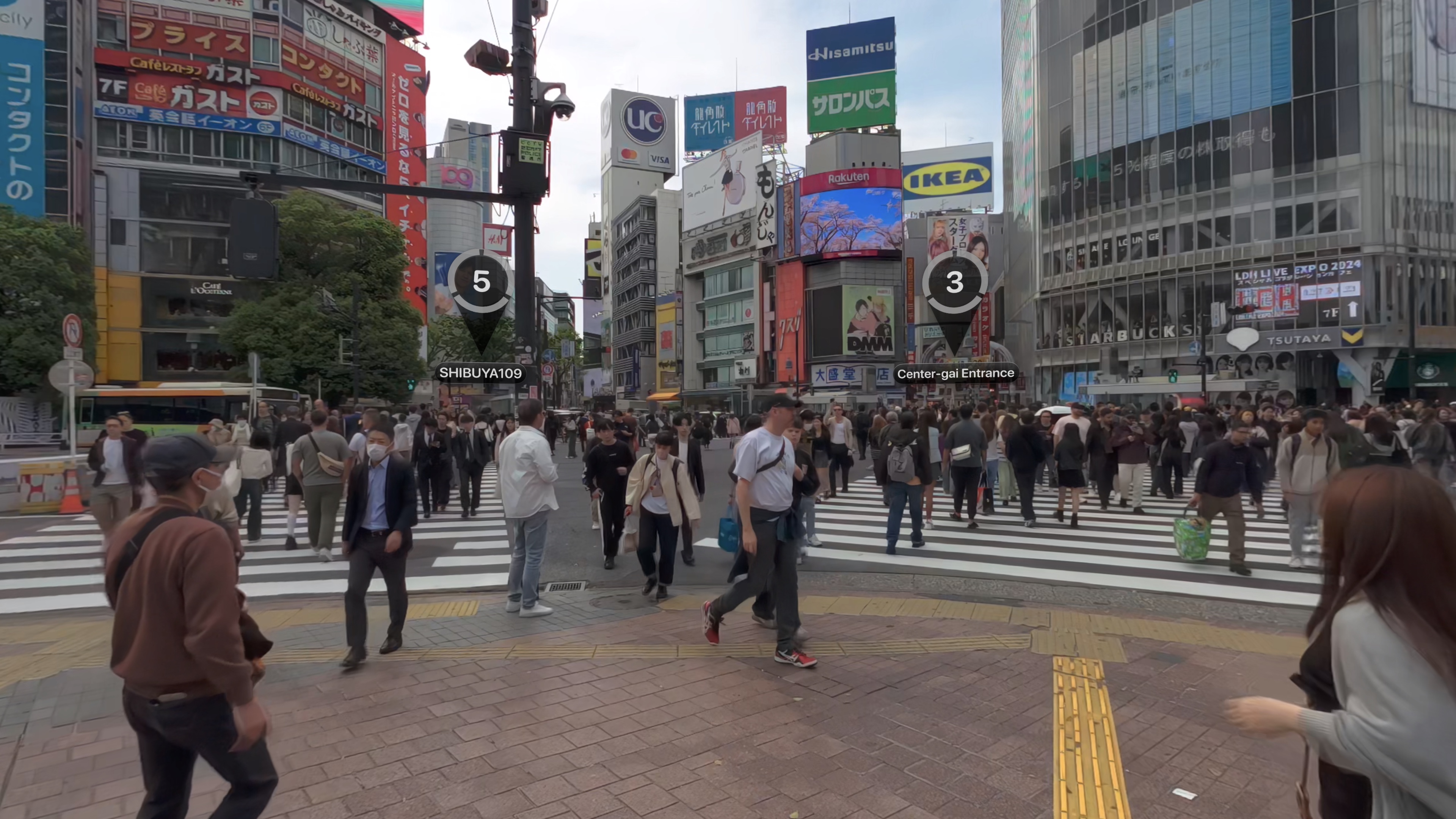
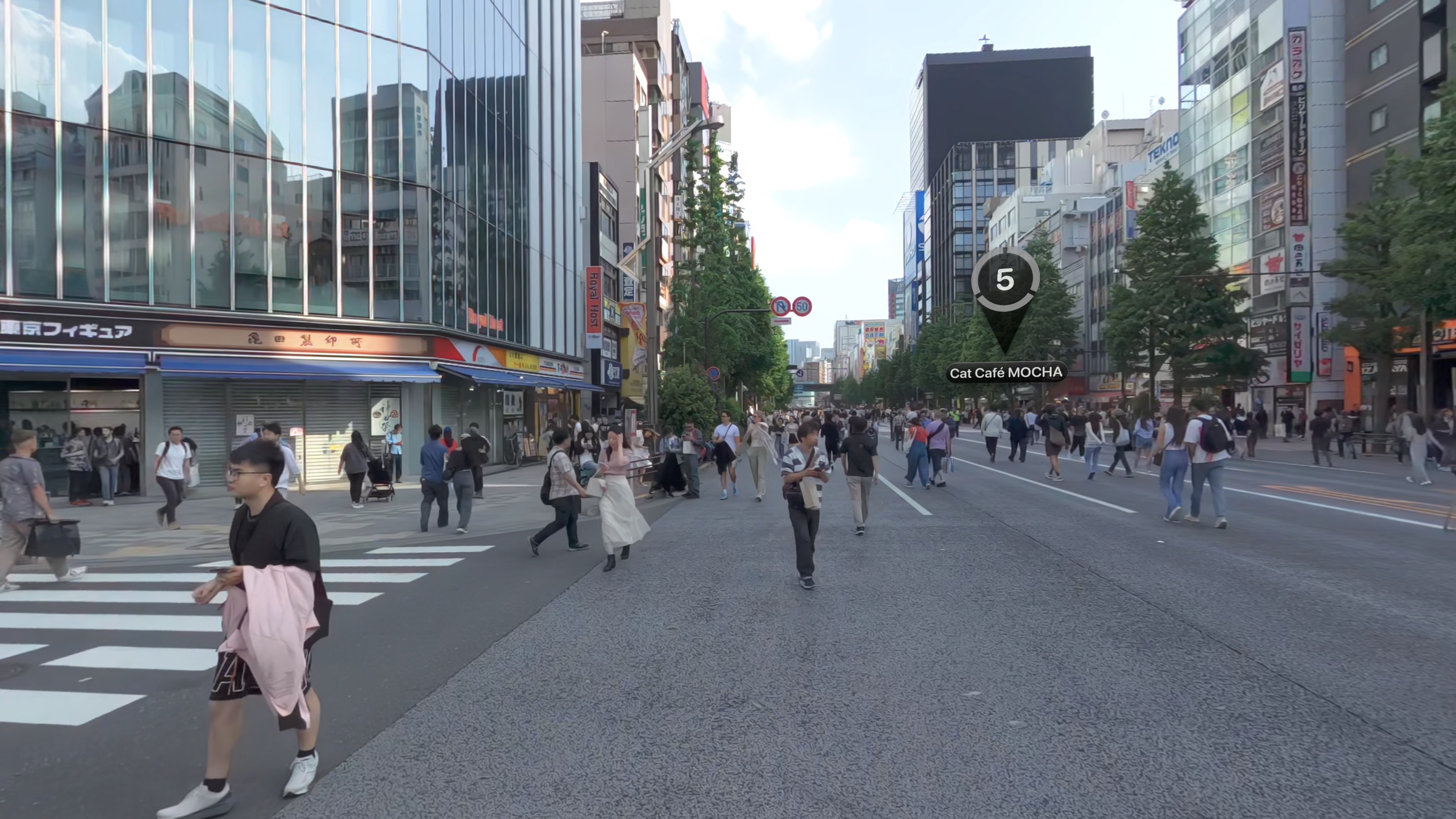
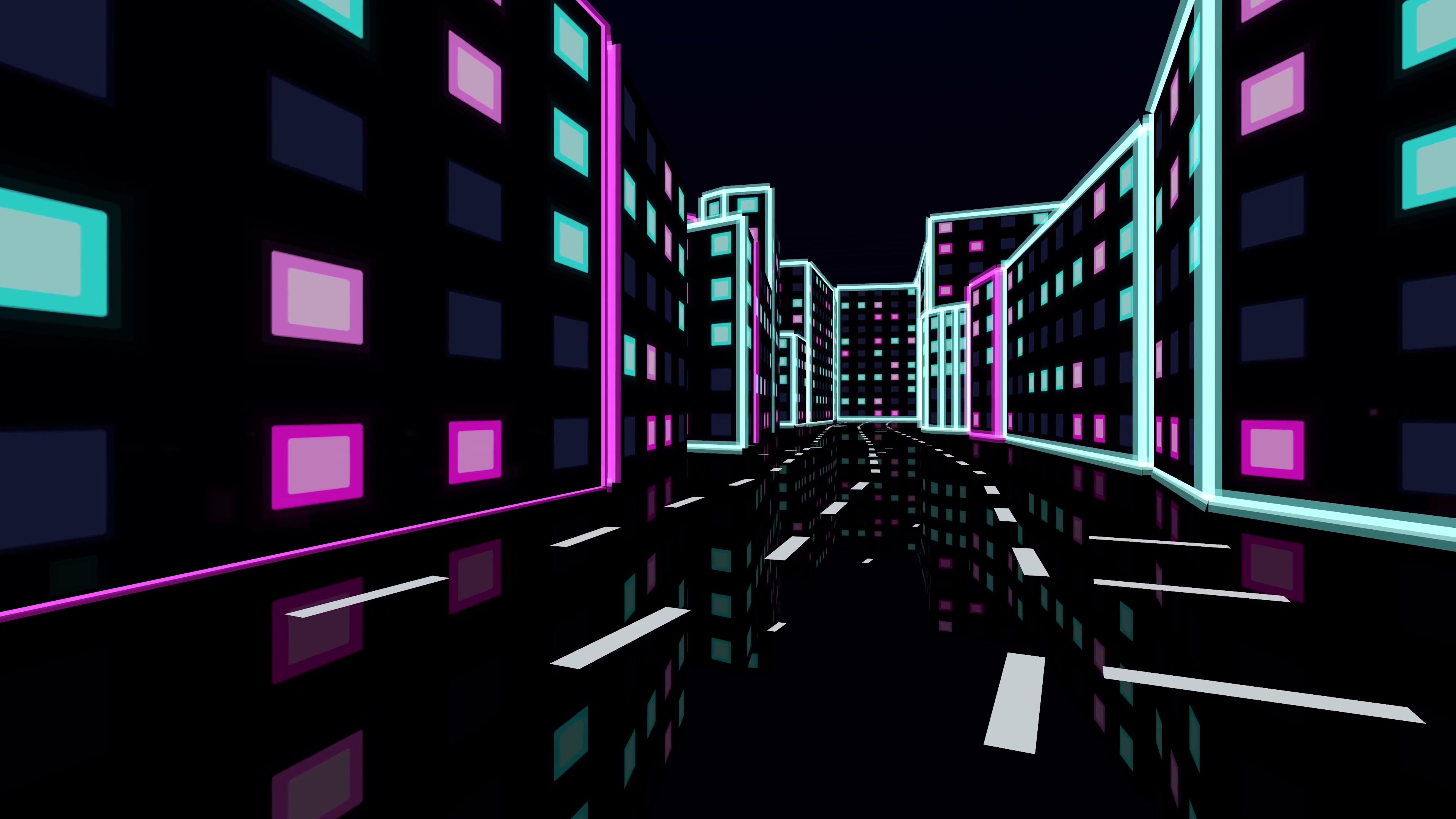
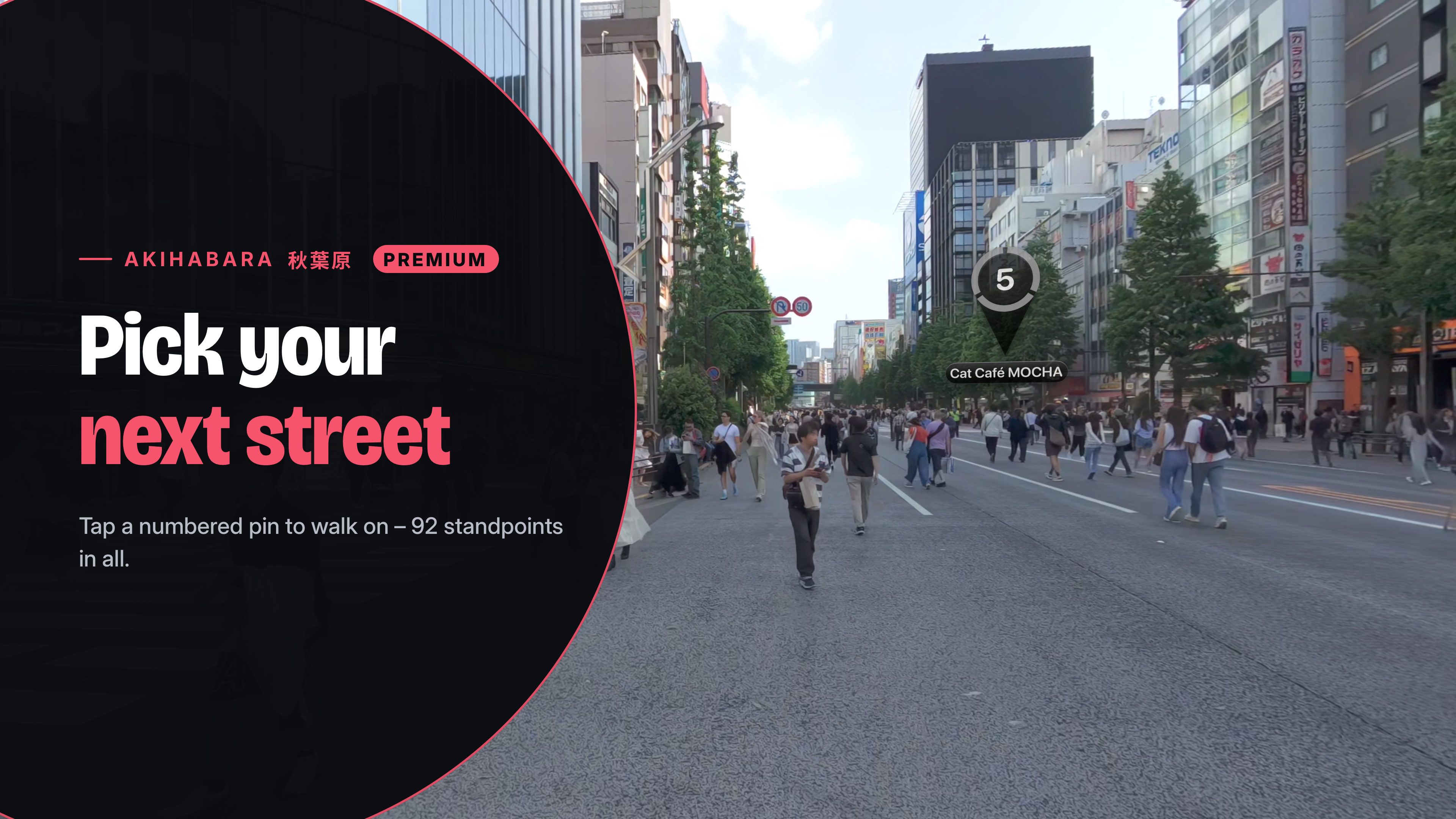
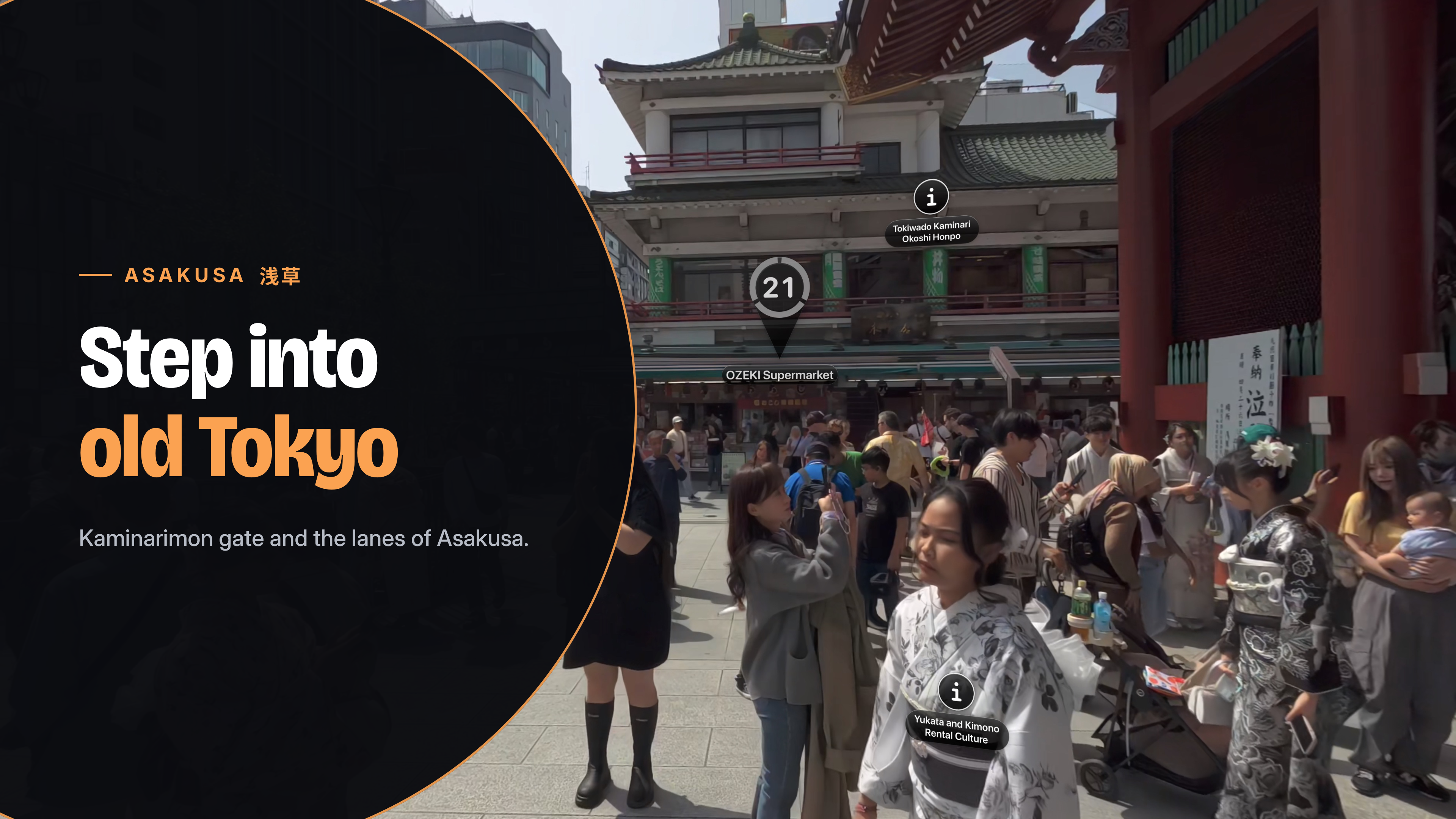
The hardest part was the feeling of being there, without getting motion sick. Walking clips felt wrong in the headset, so I dropped them and connected fixed standpoints instead. Turning made people queasy too. I found that the more of the picture is black, the less sick you feel. So during a turn everything goes dark except a small circle in the middle, over an outline of the city built from real map data. You stay at the real location. The move from one standpoint to the next went through many versions before it felt right.
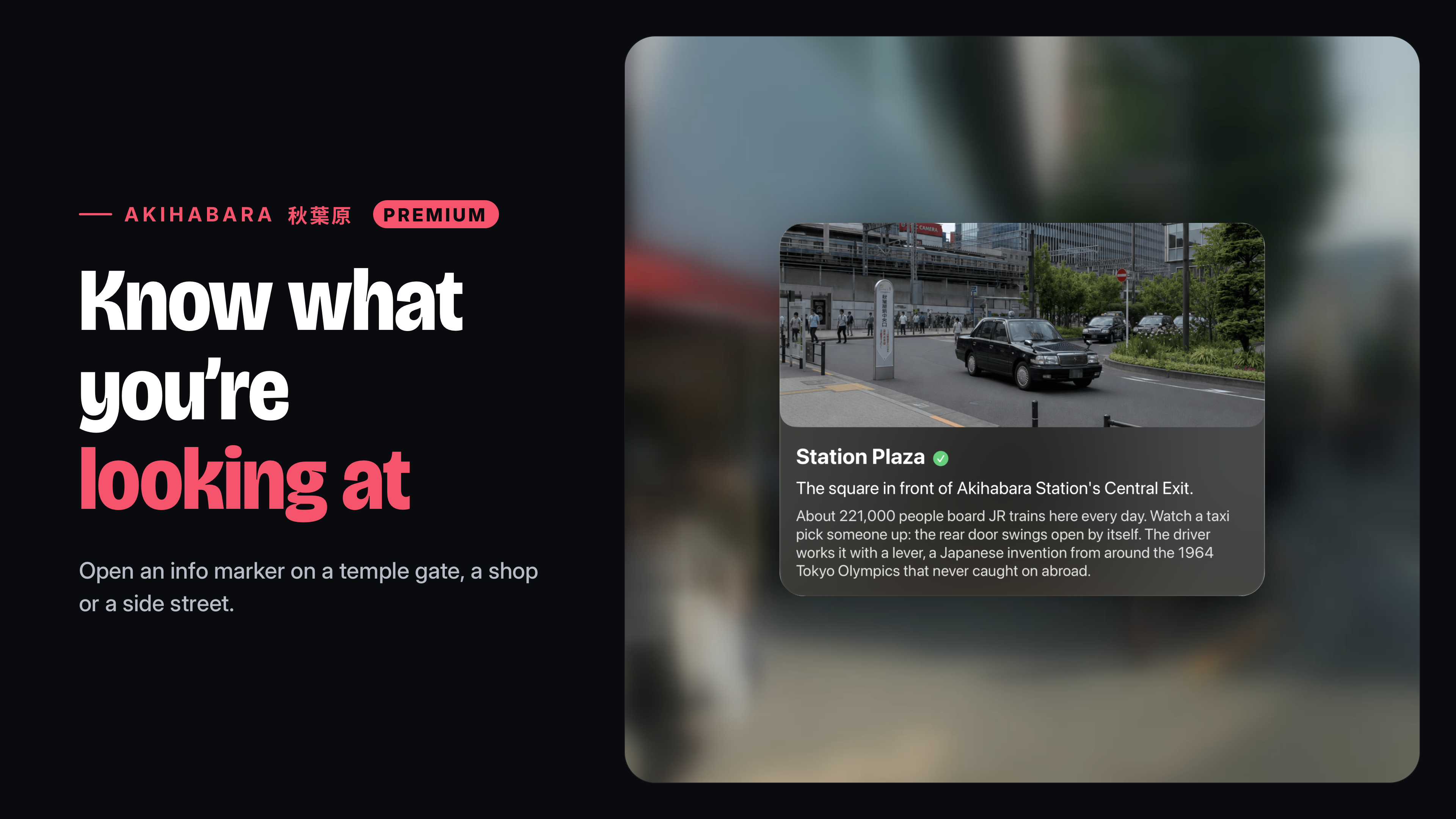
My first testers said walking around was great, but orientation was hard and they missed places. So I added the cards: a reason to visit every standpoint and read every story. It took me about a year and a half on my own, and I was often close to giving up. Now it's ready.